Guarani Project
As a participating architect, I joined a collaborative initiative led by a group of architects from the University of São Paulo to work alongside the Guarani Indigenous community in São Paulo, Brazil. The project emerged from a shared commitment to improving living conditions through careful listening, mutual respect, and participatory design.
The Guarani community, comprising approximately 1,000 people living within a very limited territory, faced significant challenges due to the lack of essential infrastructure, including sanitation, running water, and reliable electricity. These conditions also affected their ability to sustain many of their traditional ways of life.
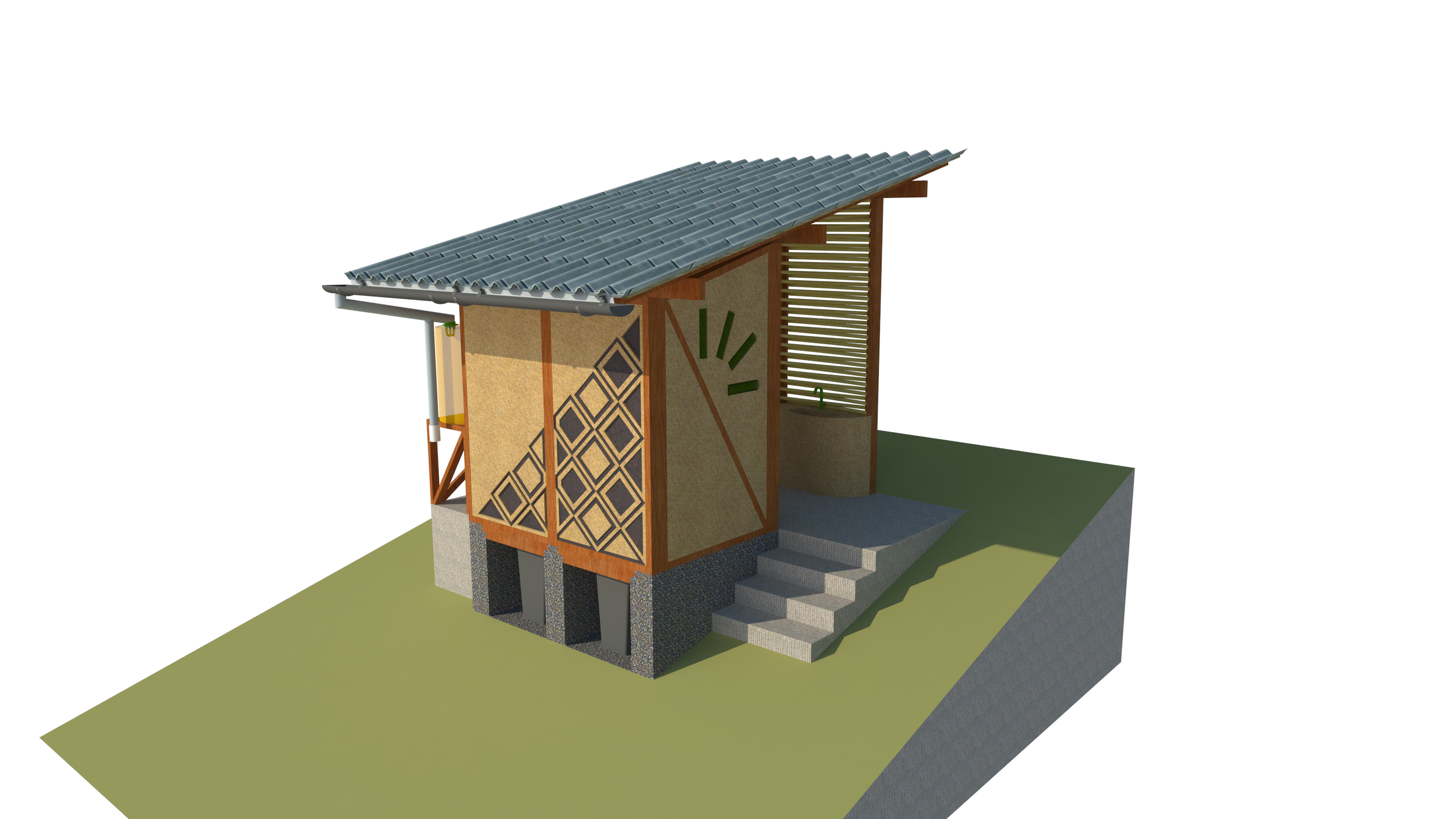
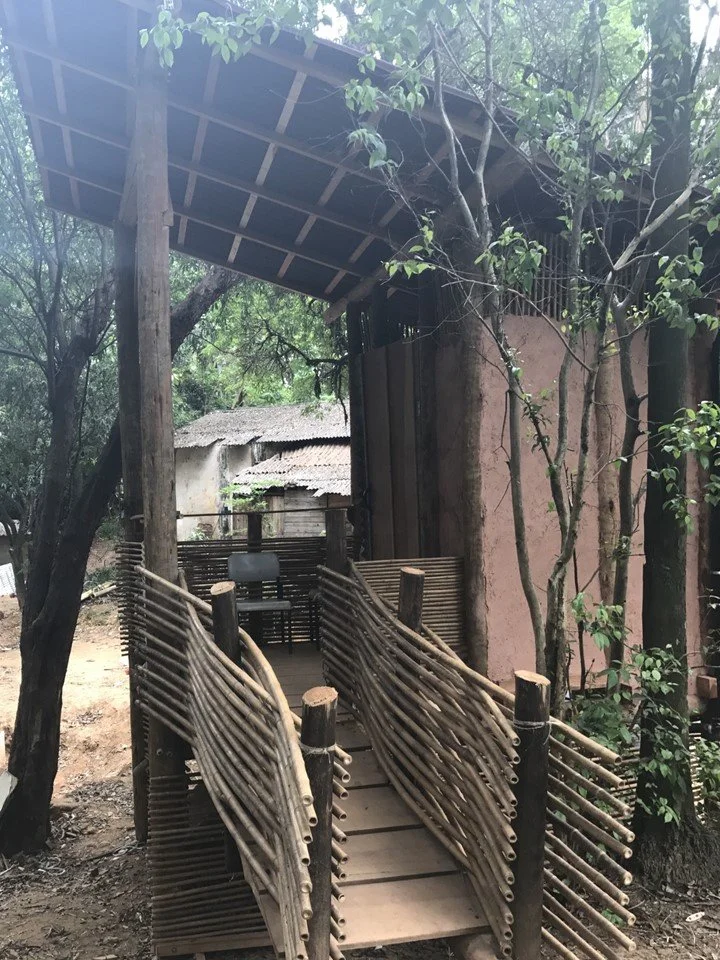
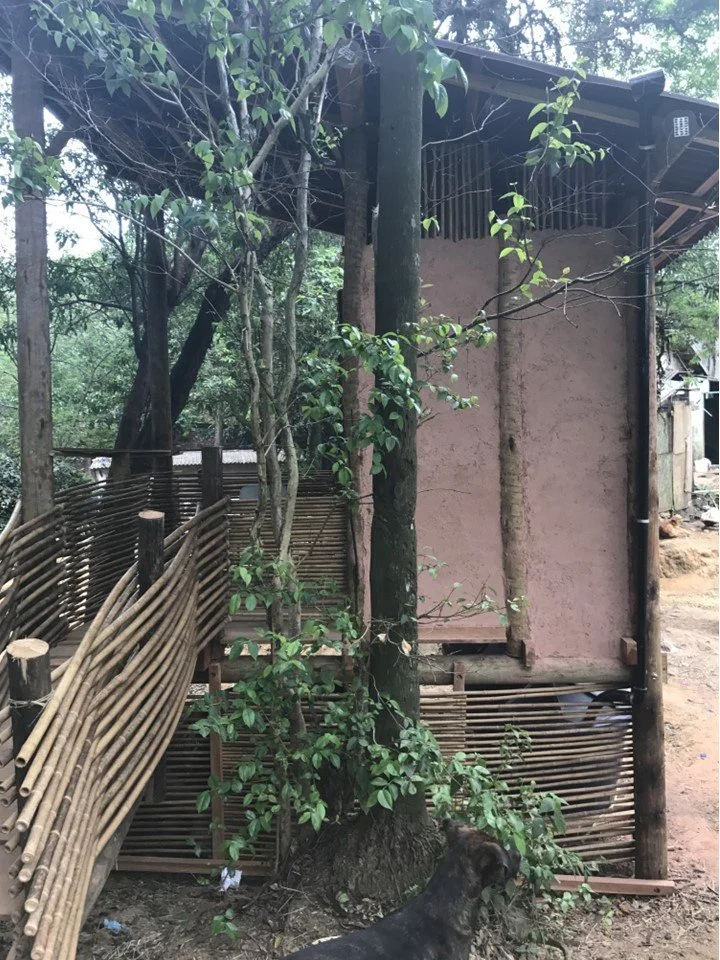
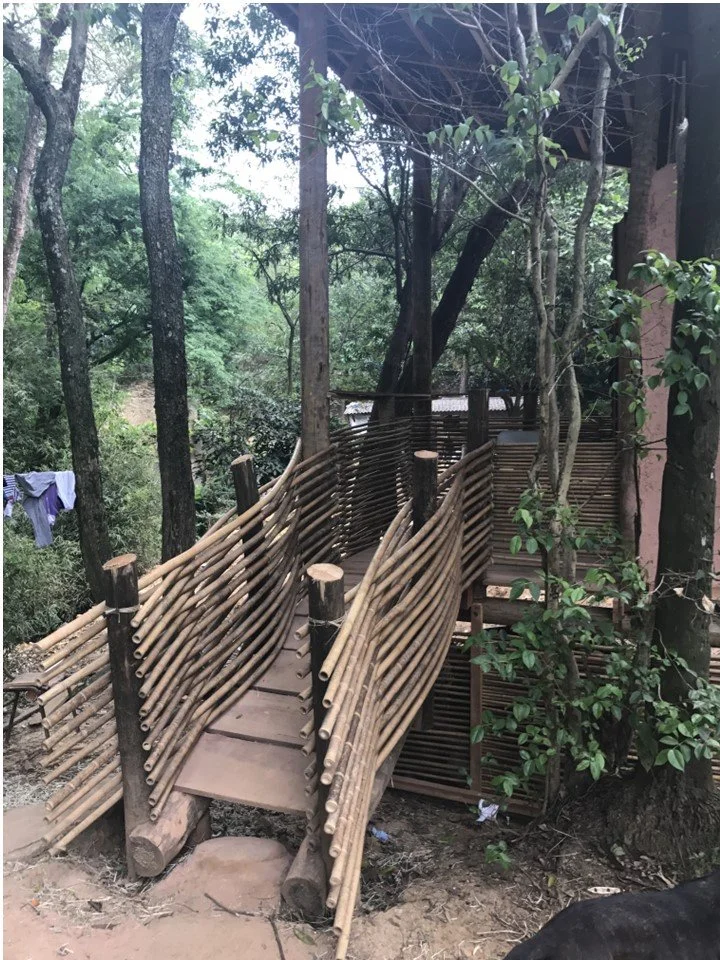
Our initial intention was to explore housing solutions. However, through conversations with community members, it became clear that their most urgent priority was not new housing, but access to safe and dignified sanitation. Listening to their concerns transformed the direction of the project. Together, we developed a system of dry composting bathrooms—an environmentally responsible solution that requires no running water while significantly improving hygiene and health.
The construction process became much more than the realization of a physical intervention. Working side by side with the Guarani community created relationships built on trust, friendship, and mutual learning. Rather than imposing solutions, we participated in a process of exchange in which local knowledge and architectural expertise informed one another.
The experience reinforced the importance of designing with communities rather than for them. It demonstrated that meaningful architecture begins with listening and that lasting, sustainable interventions arise from genuine collaboration and respect for cultural values.
The Guarani Project remains an inspiring example of how architecture can serve as a catalyst for social dignity, environmental responsibility, and enduring human connection.